
National Road Network Plan: Vietnam Proposes Strategic Expressways to Strengthen Regional Connectivity
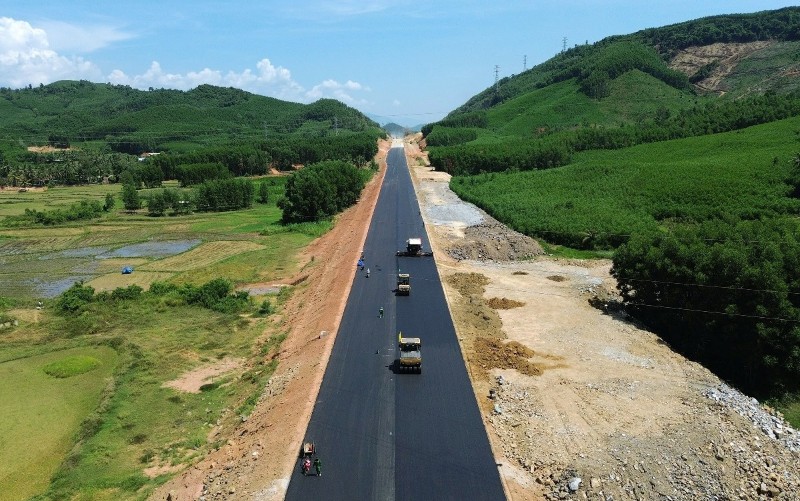
The Road Administration of Vietnam actively reshapes its national transport logistics through a major infrastructure proposal. Specifically, the regulatory agency submitted a comprehensive planning update to the Ministry of Construction. This strategic proposal amends the national road network plan for the 2021–2030 period. The revised framework adds several large-scale expressways and accelerates project timelines across northern and central territories. Consequently, this updated transport blueprint establishes a highly synchronized foundation to support industrial parks and cross-border commercial trade.
These upcoming highway expansions create highly lucrative opportunities for multinational manufacturing corporations expanding their supply chains in Vietnam. To navigate these emerging infrastructure developments smoothly, global investors can review our comprehensive business frameworks at V-International Business Consultancy Services.
Constructing Large Ring-Road Expressways to Support the National Road Network Plan
The adjusted national transportation blueprint prioritizes critical northern mountainous logistics corridors to connect separate land border gates efficiently. Under the new guidelines, the state will balance infrastructure resources between vital transit rings and existing industrial expressways.
Engineering the Northern Mountainous Ring Road
The massive 327-km Northern Mountainous Ring Road represents a vital component within the revised national road network plan. This strategic route starts directly at the Ta Lung International Border Gate in Cao Bang province. Following the initial checkpoint, the four-lane corridor runs through Lang Son, Thai Nguyen, Tuyen Quang, and Lao Cai. The extensive infrastructure project finally terminates in the western highlands of Son La. Planners officially propose executing the heavy construction phase for this mountainous highway system after the year 2030.
Prioritizing the Northern Midland Ring Road
Simultaneously, the agency proposed adding the 378-km Northern Midland Ring Road to link key secondary manufacturing hubs. This northern transit corridor smoothly connects Tan Thanh, Lang Son, Thai Nguyen, Tuyen Quang, Lao Cai, and Son La. To accelerate immediate regional connectivity, engineers recommend prioritizing the crucial Lang Son–Thai Nguyen highway section before 2030. According to official assessments, these combined routes will ease heavy traffic pressure on overstretched existing expressways. Furthermore, the synchronized bypasses will significantly stimulate cross-border trade, logistics, and eco-tourism development.
Launching Vital Economic Corridors Across Central and Southern Regions
The proposed transport modification extends far beyond northern industrial zones to reinforce crucial agricultural and maritime logistics. Therefore, the road administration integrates three additional specialized expressways directly into the long-term provincial zoning maps.
Connecting International Border Gates in Ha Tinh and Hue
In the north-central region, planners designed the 85-km Ha Tinh–Cau Treo highway to link the central North–South Expressway. This dedicated economic corridor runs directly to the high-traffic Cau Treo International Border Gate in Ha Tinh province. Further south, the proposed 45-km Hue–A Luoi route will link isolated western Hue communities with the primary national grid. This critical mountainous connection allows local agricultural producers to deliver high-value goods directly to coastal shipping hubs.
Linking the Central Highlands with Southern Economic Zones
Finally, the 141-km Phan Thiet–Bao Loc–Gia Nghia–Bu Prang expressway completes the updated national road network plan. This ambitious multi-regional route strengthens economic ties between the Central Highlands and the south-central coast. Most importantly, the high-speed highway provides direct access to Vietnam’s southern key economic region and major maritime shipping ports. This integrated infrastructure layout allows global freight corporations to transport heavy commodities smoothly across diverse interior terrains.
In conclusion, this calculated transportation upgrade introduces an exceptionally lucrative era for industrial manufacturing and global shipping logistics. Fortunately, these state-backed transportation frameworks offer multinational commercial enterprises an exceptionally secure, well-connected production anchor. For official national announcements regarding transport legislation and civil engineering updates, readers can consult the Vietnam Plus news platform.