
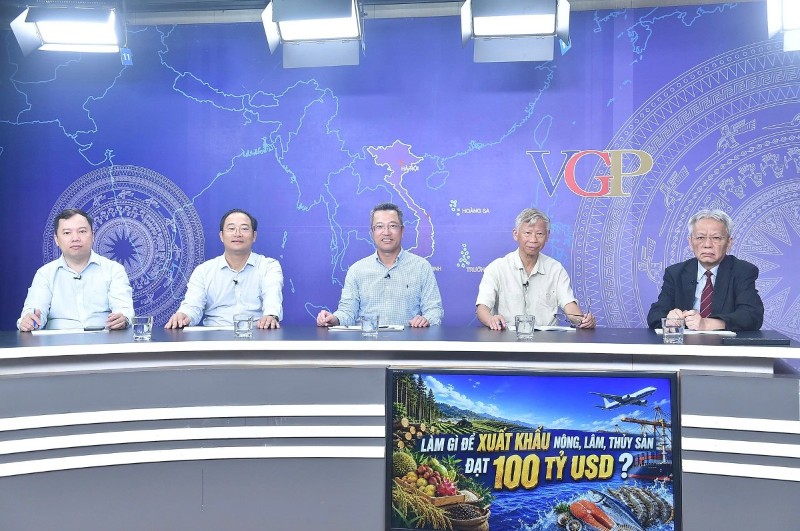
Strategic Economic Thinking: Vietnam Eyes Historic $100 Billion Agri-Export Goal Through Operational Shifts
The agricultural sector of Vietnam actively charts an ambitious course toward a monumental international trade milestone. Specifically, the country aims to reach 100 billion dollars in agri-forestry-fishery exports by 2027. This bold target follows a highly successful commercial performance that surpassed 70 billion dollars in 2025. During a high-level seminar on July 9, economic experts stressed that this objective remains highly achievable. However, the industry must adopt a profound transformation in strategic economic thinking to overcome rising global market headwinds.
This massive structural transition creates exceptional investment opportunities for multinational agro-industrial firms expanding in Southeast Asia. To evaluate these emerging clean energy food supply chains smoothly, international trading partners can explore our advisory guidelines at V-International Business Consultancy Services.
Transitioning to an Agricultural Economy via Strategic Economic Thinking
The primary structural transformation requires a decisive shift away from traditional bulk cultivation methods toward high-value market integration. According to top economic researchers, the country must reform its macro-management policies to prioritize commercial value over raw output volume.
Selling Brand Trust and Product Stories
Many of Vietnam’s raw commodities currently lead the global market in terms of gross production volume. Despite this impressive output, the real financial value earned by local farmers often remains disproportionately low. Strategic economic thinking dictates that the country must sell premium quality, recognized branding, and product trust. Furthermore, exporters must integrate fascinating cultural stories behind their fruits, seafood, and timber assets. This advanced marketing technique establishes a synchronized nationwide value chain that effectively connects smallholder farmers with international corporate distributors.
Integrating Advanced Traceability Systems
To resolve deep operational bottlenecks, technology experts emphasize the vital role of end-to-end digital integration. Proactive technological adoption drives a complete shift in local production models across the provinces. Advanced digital traceability platforms allow global buyers to verify product origin, chemical usage, and sustainability metrics instantly. This high level of corporate transparency ensures that Vietnamese agricultural products easily clear strict international food safety barriers. Consequently, these synchronized digital upgrades transform raw farm yields into premium, verifiable export assets.
Reforming Administrative Procedures and Establishing a National Steering Committee
The central government deploys drastic directives to build a highly supportive regulatory ecosystem for food logistics. Therefore, the state streamlines specialized investment conditions to accelerate cross-border trade operations.
Streamlining Customs and Quarantine Operations
The Ministry of Finance and Vietnam Customs are executing a comprehensive overhaul of traditional administrative paperwork. Customs clearance units accelerate digital transformation to reduce processing times for perishable seafood and fresh fruits at border gates. This synchronized bureaucratic reform serves as a solid operational foundation during this critical 500-day growth phase. By easing business investment conditions, the state allows private logistics firms to set up specialized cold-storage facilities near major trading terminals.
Proposing a Government-Level Steering Committee
To unify separated agricultural value chains, industry leaders propose establishing a specialized National Steering Committee. Currently, individual farmers cannot manage complex public administration components such as quarantine testing and laboratory certification. Therefore, direct state intervention and cross-agency coordination remain mandatory to achieve the 100 billion dollar milestone. This high-level committee must operate under the Government’s direct authority rather than being confined to individual ministries. This powerful administrative conductor will promptly resolve cross-border bottlenecks involving agriculture, industry, trade, and customs agencies.
In conclusion, this calculated transition to an integrated agricultural economy introduces an exceptionally lucrative era for agro-industrial commerce. Fortunately, these state-backed regulatory and technical transformations offer global retail partners an exceptionally reliable food supply chain anchor. For official national announcements regarding agricultural trade statistics and economic policies, readers can consult the Vietnam Investment Review portal.