
International Airport Master Plan: Ninh Binh Officially Added to Vietnam’s Strategic Aviation Network
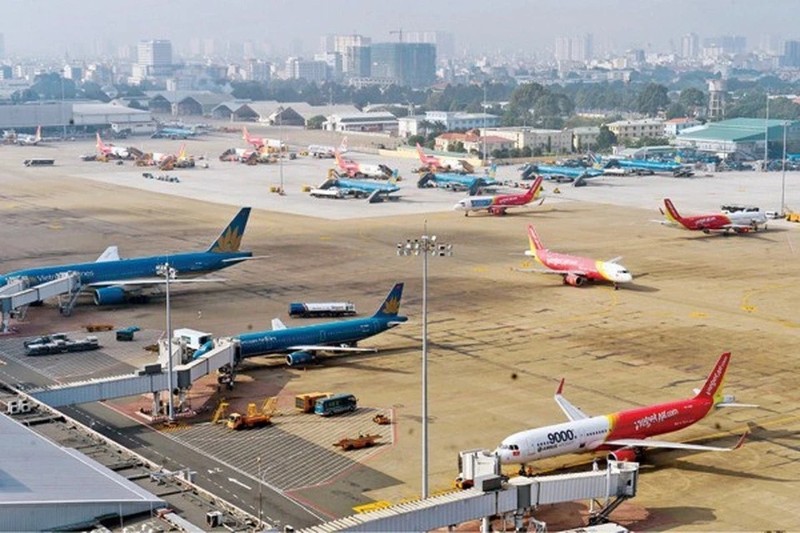
The government of Vietnam actively reshapes its national transport logistics through a major infrastructure update. Specifically, the Ministry of Construction approved critical adjustments to the international airport master plan for the 2021–2030 period. This strategic decree officially adds the historic tourism hub of Ninh Binh to the country’s premium aviation network. According to Decision No. 1140/QD-BXD dated July 1, 2026, the country aims to operate 36 functional airports by 2030. Consequently, this updated transport layout establishes a highly synchronized foundation to accelerate regional tourism and cross-border commercial trade.
This massive aviation infrastructure realignment introduces highly competitive advantages for multinational hospitality developers and logistics corporations. To navigate these emerging urban zoning trends smoothly, global investors can review our comprehensive business guidelines at V-International Business Consultancy Services.
Expanding Air Gateways Within the 2030 International Airport Master Plan
The adjusted national aviation blueprint redistributes air transport capacity to ease heavy pressure on existing metropolitan hubs. Under the new guidelines, the state will balance aviation resources between vital global gateways and domestic transit runways.
Categorizing the Nineteen Designated Global Gateways
The revised international airport master plan identifies nineteen distinct global hubs to anchor the nation’s transport network. This specialized list includes Cao Bang, Van Don, Cat Bi, Noi Bai, Gia Binh, and the newly elevated Ninh Binh. Furthermore, the framework integrates Tho Xuan, Vinh, Phu Bai, Da Nang, Chu Lai, Van Phong, and Cam Ranh. Finally, Lien Khuong, Long Thanh, Tan Son Nhat, Can Tho, Phu Quoc, and Con Dao complete the strategic grid. These nineteen integrated locations will feature modernized customs facilities to process high volumes of international passengers seamlessly.
Projecting the Visionary 2050 Aviation Infrastructure Network
Looking toward 2050, the comprehensive state blueprint envisions a robust network of 37 operational airports nationwide. This long-term forecast includes 20 international hubs to secure Vietnam’s position as a dominant Southeast Asian transit corridor. In addition to the existing locations, the 2050 framework plans the construction of a second major airport. This upcoming facility will directly serve the expanding socio-economic needs of the Hanoi Capital Region. This proactive structural preparation prevents future airspace congestion while supporting sustained macroeconomic growth over the next quarter-century.
Engineering Specialized Air Logistics Centers and Maintenance Hubs
Beyond expanding passenger terminals, the updated aviation decree prioritizes high-capacity freight infrastructure to support global supply chains. Therefore, the ministry integrates advanced industrial support facilities directly into the master planning maps.
Constructing High-Capacity Cargo Logistics Facilities
The ministry has introduced precise development orientations for modern air logistics hubs across the national grid. The state will prioritize these specialized cargo facilities at airports with a demand of 250,000 tons per year. These dedicated freight terminals will utilize automated sorting systems to accelerate international product distribution for manufacturing firms. By linking these air cargo centers with nearby seaports, the province optimizes regional intermodal transport efficiency significantly.
Prioritizing Advanced Aircraft Maintenance Zones
Simultaneously, planners will deploy advanced Aircraft Maintenance, Repair, and Overhaul centers at key strategic locations. Engineering teams will prioritize these specialized MRO facilities at major airports possessing robust infrastructure networks. The designated sites include Van Don, Noi Bai, Gia Binh, Chu Lai, Tan Son Nhat, and Long Thanh. This localized technical capability allows international airlines to service their fleets directly inside Vietnam, reducing operational costs.
In conclusion, this calculated aviation upgrade introduces an exceptionally lucrative era for industrial logistics and international tourism. Fortunately, these state-backed transportation frameworks offer global commercial enterprises an exceptionally secure, well-connected production anchor. For official national announcements regarding transport legislation and civil aviation updates, readers can consult the Voice of Vietnam portal.