
Steel Industry Development Strategy: Vietnam Sets Bold Targets for 2050
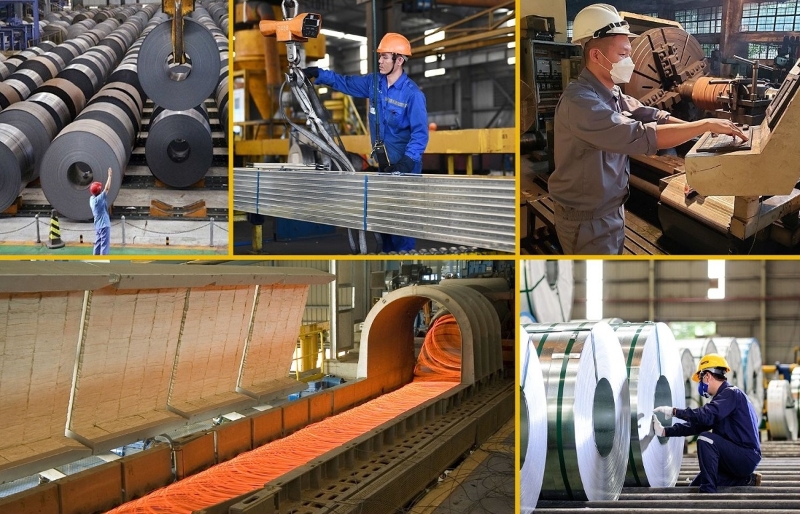
Vietnam is poised to significantly transform its industrial landscape. Under Prime Ministerial Decision No. 261/QD-TTg, signed by Deputy Prime Minister Bui Thanh Son on February 9, a comprehensive steel industry development strategy through 2030, with a vision toward 2050, has been officially approved. This strategic roadmap outlines a clear path for production capacity, technological integration, and market autonomy.
Ambitious Production and Demand Targets
The primary objective of this new national steel development plan is to ensure national self-sufficiency. The government aims to meet 80–85% of domestic demand by 2030, rising to approximately 85–90% by 2035.
To achieve these goals, the following output milestones have been set:
-
By 2030: 25–26 million tons annually.
-
By 2035: 33–36 million tons annually.
-
By 2050: 75–80 million tons annually.
Key Solutions and Technological Advancement
The steel industry development strategy is not merely about volume; it emphasizes institutional reform, market expansion, and environmental protection. A major pillar of this industrial roadmap involves heavy investment in modern technology and equipment.
By upgrading production lines, Vietnam seeks to enhance the quality of various product groups, including construction steel, alloy steel, and hot-rolled steel. This modernization is essential to stabilize domestic consumption and remain competitive in international export markets.
Specialized Products for Future Infrastructure
The strategy specifically targets the application of domestic technologies to produce specialized materials. This includes:
-
Corrosion-resistant stainless steel for offshore and island projects.
-
Ultra-lightweight steel for the transport sector.
-
High-strength steel plates and prestressed reinforced concrete materials.
Furthermore, the government is prioritizing research into high-demand materials for national infrastructure. The steel industry development strategy has catalyzed the exploration of rail steel for high-speed railway development, seamless pipes for shipbuilding, and wind power towers.
As the global market shifts toward greener practices, this framework also integrates science and technology to ensure the sector grows sustainably while meeting the rigorous standards of modern global industrial manufacturing.