
Coastal Road Project: Quang Ngai Approves $228 Million Infrastructure Expansion for Dung Quat – Sa Huynh Route
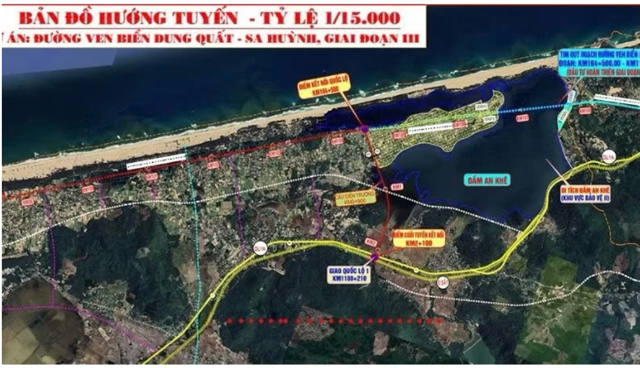
The central coastal province of Quang Ngai actively drives its regional connectivity through strategic transport investments. Specifically, local authorities officially approved the investment policy for Phase 3 of the Dung Quat – Sa Huynh coastal road project. This massive engineering infrastructure asset requires a total capital allocation of approximately 228 million dollars. The ambitious initiative aims to complete the province’s coastal transport grid following the successful delivery of previous phases. Consequently, the provincial administration establishes a high-capacity thoroughfare to link key economic zones with neighboring high-growth regions.
This extensive transport network restructuring introduces highly competitive advantages for multinational logistics firms operating in central Vietnam. International infrastructure developers can analyze these modern maritime urban trends by reviewing our comprehensive commercial expansion frameworks at V-International Business Consultancy Services.
Maximizing Regional Connectivity Through the Strategic Coastal Road Project
The municipal leadership channels substantial state budget resources into heavy civil engineering to create a seamless transportation axis. According to official blueprints, the upcoming construction phase connects several rural manufacturing communes with major international trade ports.
Engineering the Phase 3 Technical Specifications
Phase 3 of the large-scale coastal road project spans approximately 32.6 kilometers across several local wards. The expanding route passes directly through Lan Phong, Tra Cau, Duc Pho, Khanh Cuong, and Sa Huynh. To accommodate heavy industrial freight vehicles, designers specified a wide roadbed stretching between 22 and 41 meters. Simultaneously, the asphalt road surface width will measure between 12 and 16 meters across the network. The comprehensive investment also covers advanced drainage networks, synchronized traffic safety infrastructure, and heavy concrete bridges along the corridor.
Linking Central Trade Corridors with Gia Lai Province
The modern highway connects existing seaside road segments directly with the primary transport route originating from Gia Lai province. Therefore, this critical interior link establishes an efficient transshipment corridor connecting the Central Highlands with maritime trade hubs. By integrating these separated regional markets, the coastal road project satisfies mounting transportation demands from agricultural exporters. The centralized route allows cross-border shipping companies to bypass congested urban bottlenecks and reduce regional transit times significantly.
Expanding Urban Spaces and Stimulating the Central Maritime Tourism Economy
The provincial People’s Committee balances industrial transport logistics with long-term urban planning to maximize maritime real estate value. As a result, the mega infrastructure project unlocks thousands of hectares of coastal land for premium commercial developments.
Accelerating the Growth of Logistics and Transshipment Hubs
The strategic transportation corridor facilitates the immediate formation of specialized industrial zones and maritime service centers. Municipal planners expect the highway to accelerate the setup of advanced deepwater logistics hubs and transshipment stations. These dedicated facilities will support container shipping operations expanding outward from the nearby Dung Quat Economic Zone. Furthermore, the modern thoroughfare establishes a reliable foundation for building organized central urban areas capable of hosting foreign experts.
Nurturing Cultural and Maritime Tourism Destinations
Beyond supporting heavy logistics, the new highway stimulates the hospitality industry by unlocking pristine coastal spaces. The road enables international travelers to access remote cultural-maritime tourism regions and ecological resorts easily. This improved accessibility attracts major private hospitality brands to build luxury seaside hotels and entertainment facilities along the route. All planned developments align perfectly with the province’s master socioeconomic goals to secure a sustainable net-zero growth trajectory.
In conclusion, this calculated infrastructure expansion introduces an exceptionally lucrative era for industrial manufacturing and maritime tourism. Fortunately, this clear state-backed transport roadmap offers global supply chain partners a highly predictable, future-proof logistics base. For official national announcements regarding transport legislation and macroeconomic updates, readers can consult the Vietnam Plus news platform.