
Infrastructure and Urban Expansion: Hue Outlines Strategic Medium-Term Public Investment Plan for 2026-2030
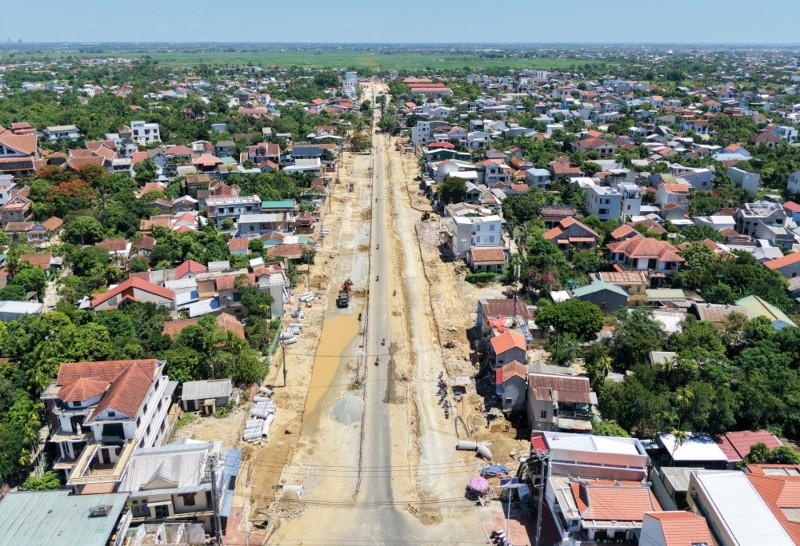
The historic city of Hue actively shapes its future growth through a comprehensive economic restructuring initiative. Specifically, local authorities will prioritize infrastructure and urban expansion projects to elevate regional competitiveness over the next five years. Chairman of the Hue City People’s Committee Nguyen Khac Toan recently chaired a vital review meeting. Consequently, the administration finalized the medium-term public investment plan using the state budget. This forward-looking framework channels capital directly into high-impact sectors to drive sustainable socioeconomic development.
These strategic urban adjustments offer excellent opportunities for global enterprises looking to establish commercial operations in central Vietnam. International investors can analyze these regional infrastructure trends by reviewing our specialized market analysis reports at V-International Business Consultancy Services.
Concentrating Public Resources on Driving-Force Infrastructure and Urban Expansion Sectors
The provincial capital commits substantial state budget resources to key public sectors to maximize urban utility. According to city leaders, the municipality will focus heavily on high-impact projects that expand development space effectively.
Prioritizing Key Economic Zones and Social Welfare
The official capital allocation framework targets transportation networks, industrial zones, and economic clusters. Simultaneously, the city channels funds into local culture, tourism, healthcare, and education infrastructure. By combining economic driving-force projects with social welfare developments, Hue ensures balanced regional growth. Furthermore, the city People’s Committee maintains a strict documentation deadline on July 15 for all upcoming public works. Projects failing to demonstrate financial efficiency or clear funding sources will not receive official capital.
Analyzing Economic Data and Growth Targets to Support Infrastructure and Urban Expansion
The Chairman directed the Department of Finance to execute deeper statistical evaluations regarding social investment correlations. Specifically, the department must clarify the underlying data and calculation methods supporting the city’s ten percent growth target. This precise financial scrutiny ensures that public capital directly stimulates private sector growth. As a result, the strategic planning framework secures a highly predictable environment for long-term commercial investments.
Establishing a Clear Project Hierarchy to Maximize Financial Efficiency
To optimize state budget disbursement, Hue implements a strict hierarchy for all public infrastructure assets. The management board prioritizes transitional projects that builders must complete within the current operational period.
Safeguarding National Defense and Community Development
Following transitional works, the city allocates funding to projects capable of generating immediate regional revenue. Social welfare infrastructure including environmental protection facilities and national defense assets occupy the next tier. Finally, the city funds new projects that have already completed all necessary administrative validation procedures. This structured approach prevents capital fragmentation and guarantees the timely completion of essential civic infrastructure.
In conclusion, this ambitious development roadmap marks a highly transformative era for urban modernization in central Vietnam. Fortunately, this clear state-backed framework provides international infrastructure developers with a reliable investment anchor. For official updates on national public investment regulations and macroeconomic policies, readers can view the latest reports on the Vietnam News portal.