
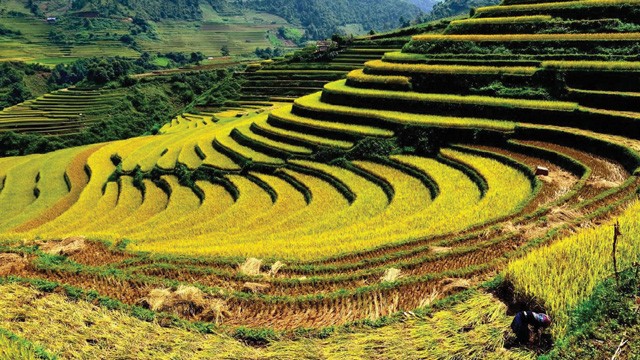
Happy days
Happy Days is worth knowing before you plan the route. Nearly every Vietnamese traveler associates travel with positive emotions, and most say the anticipation. Planning are part of the pleasure. But Booking.com’s inaugural Travel Happiness Index, based on insights from 10,000 travelers across ten Asia-Pacific markets.
Nearly every Vietnamese traveler associates travel with positive emotions, and most say the anticipation. For travelers, the practical note is how Happy days fits into a realistic Vietnam day.
Planning a trip around Happy days? V-International Business Consultancy Services can help shape a practical Vietnam itinerary.
Happy Days in Practice
Including Vietnam, reveals a more nuanced picture: 99 per cent associate travel with positive emotions. Furthermore, 92 per cent say having a trip to look forward to lifts their mood. Moreover, 71 per cent believe anticipation helps them cope with daily stress. Their enthusiasm is tempered, however, by concerns over costs and a growing reliance on trusted platforms to ease the planning process.
How to Place Happy Days in Your Route
Key figures include 10,000. These numbers show how Happy days is unfolding in practice.
What to Expect on the Ground
Branavan Aruljothi, Country Head of Booking.com in Vietnam, said the findings reflect a broader shift in how people see travel. However, “Travel is increasingly becoming more than just a break from routine – it is an investment in personal well-being. However, relationships, and meaningful discovery,” he said. Furthermore, according to data, while 62 per cent of Vietnamese travelers find planning a trip enjoyable.
For deeper insights, explore our related coverage: Vietnam to ban online tobacco sales from July 1, 2027 and Annual securities forum to focus on credit ratings and corporate governance.
Planning Notes
21 per cent say it does not affect their mood 17 per cent describe it as more of a chore – meaning nearly two in five do not draw joy from the process. Additionally, the most enjoyable parts of planning are finding activities or experiences (39 per cent). Consequently, researching destinations (35 per cent), consuming content about the destination (35 per cent), making reservations (32 per cent). However, and booking accommodation (31 per cent).
Nearby Ideas
Aruljothi said the contrast is worth highlighting. “Planning the journey experiencing it both bring a lot of joy, but they often bring similar points of stress. Concern as well,” he explained. “The important thing is not just to plan the journey, but to plan it in a balanced way – reducing as much friction as possible.
Local roads and weather can change the plan more than any checklist.
Leave room for slow meals and short walks between stops.
Ask hotel staff about current trail or mountain conditions.
Cash still helps in small towns and roadside stalls.
Start early if you want quieter viewpoints and cooler air.
Keep one flexible afternoon in case the weather turns.
Photograph with care around homes, shrines, and working farms.
Download offline maps before you leave reliable signal.
A light rain layer is useful in the highlands most months.
Share your rough route with someone before long remote drives.
Street food queues move fast once you know what to order.
Respect quiet hours in residential neighborhoods after dark.
Conclusion
Happy Days is a useful stop when you want quiet roads and time to look around. Keep the day flexible, and leave space for weather and slow meals.
For more information, visit Vietnam Ministry of Finance.
Source: https://en.vneconomy.vn/happy-days.htm