
Small Modular Reactors: Dong Nai Seeks to Pioneer First Pilot Nuclear Power Plant in Vietnam
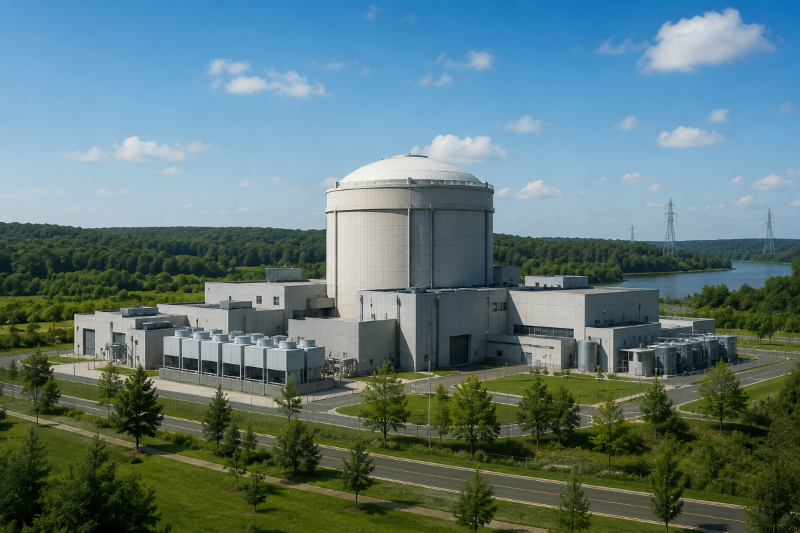
The southern industrial hub of Dong Nai actively aims to revolutionize its regional energy landscape over the next decade. Specifically, the locality is seeking central government approval to pilot a nuclear power plant using small modular reactors by 2035. This strategic goal implements the Prime Minister’s Decision No. 438/QD-TTg regarding peacetime atomic energy development. Consequently, the provincial People’s Committee issued a comprehensive local plan to execute this high-tech energy strategy. This visionary initiative marks a monumental milestone in Vietnam’s transition toward sustainable, zero-emission industrial power generation.
These emerging clean energy frameworks offer an exceptionally stable operational environment for international high-tech manufacturers. To navigate these evolving industrial sustainability trends smoothly, multinational investors can explore our professional consultancy guidelines at V-International Business Consultancy Services.
Deploying Advanced Infrastructure for Small Modular Reactors and High-Tech Research
The ambitious provincial roadmap introduces several synchronized infrastructure projects to support advanced atomic energy applications safely. According to local authorities, the city will integrate automated safety frameworks directly into its digital governance networks.
Operating the Hang Gon Nuclear Science Center
By 2030, the city aims to safely operate the Nuclear Science and Technology Research Center in Hang Gon. Builders will deliver synchronized transportation, electricity, and water infrastructure to support this high-tech research facility. Following this phase, Dong Nai intends to activate all local environmental radiation monitoring stations by 2035. These stations will link directly to the National Digital Platform and the city’s Intelligent Operations Center. Furthermore, engineers will utilize artificial intelligence for real-world data analysis and early radiation pollution warnings.
Establishing an Integrated Hybrid Clean Energy Hub
Looking toward 2050, Dong Nai aspires to evolve into a premier regional center for nuclear research and professional training. The locality intends to establish a powerful hybrid energy system by combining small modular reactors with renewable energy sources. This unique configuration will blend atomic energy with floating solar installations, biomass facilities, and waste-to-energy plants. As a result, the integrated network provides a highly stable baseload power supply with net-zero carbon emissions. This sustainable grid will directly serve concentrated digital technology zones and large-scale data centers.
Upgrading Automated Safety Networks and Expanding Specialized Workforce Training
To ensure absolute operational safety, the city is investing heavily in modern automated environmental radiation monitoring networks. These safety links will connect local sensors directly with central ministries and the provincial emergency management boards.
Preparing Large-Scale Incident Response Plans
The city will enhance its nuclear incident response plans to address complex, large-scale emergency scenarios effectively. Security forces will conduct comprehensive annual drills in close coordination with specialized central military units. Furthermore, the healthcare sector will establish dedicated medical centers capable of providing specialized treatment for acute radiation syndrome. The local environmental department will also enforce strict management cycles for all medical and industrial radioactive waste.
Attracting Top-Tier Talent in Radiation Engineering
To supply a highly skilled workforce, Dong Nai will launch specialized academic programs at regional universities. Educational institutions will offer degrees in radiation engineering, nuclear medicine, and international environmental law. Simultaneously, the city will upgrade local laboratories and enact attractive financial incentives to retain top-tier scientific talent. This academic infrastructure ensures that future power plants enjoy a steady supply of proficient local nuclear engineers.
In conclusion, this bold technological strategy introduces a highly lucrative era for high-tech manufacturing and digital infrastructure. Fortunately, these state-backed investments offer global technology firms an exceptionally reliable, carbon-free production anchor in Southeast Asia. For official international announcements regarding advanced atomic energy research and federal science policies, readers can view the World Nuclear News portal.