
Land Acquisition List: Quang Ninh Adds Four Major Logistics and Infrastructure Projects for 2026
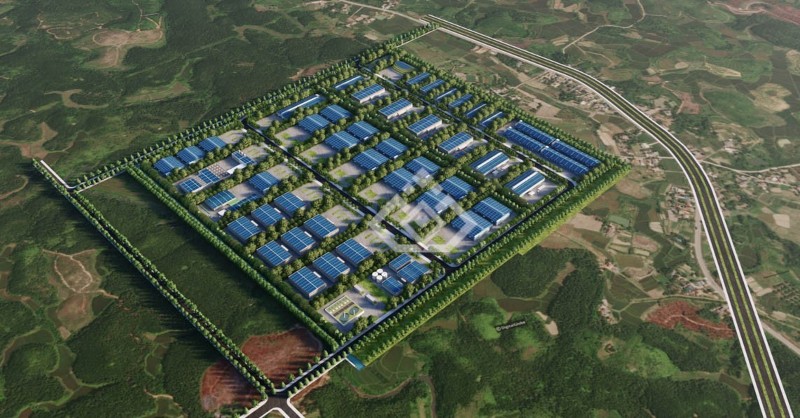
The northern coastal province of Quang Ninh actively drives its local economic development through planned urban expansion. Specifically, the local government will expand its 2026 land acquisition list to secure vital grounds for heavy industry. The Provincial People’s Committee officially proposed that the Provincial People’s Council add four high-impact projects to the register. This latest regulatory update covers a total area of over 64 hectares across several strategic economic zones. Consequently, the provincial administration establishes a highly structured framework to accelerate regional infrastructure modernization.
These upcoming zoning adjustments create lucrative opportunities for multinational corporations looking to set up manufacturing operations in northern Vietnam. To navigate these local administrative frameworks smoothly, international logistics firms can review our commercial expansion structures at V-International Business Consultancy Services.
Developing Heavy Manufacturing Space Within the Updated Land Acquisition List
The municipal leadership allocates substantial natural resources to secondary industrial clusters to accommodate incoming global manufacturing supply chains. According to official reports, the newly targeted localities include Quang Tan, Hai Son, Hai Ninh, Mong Cai, and Uong Bi.
Establishing the West Dam Ha A Industrial Cluster
The West Dam Ha A Industrial Cluster stands as the largest asset within the expanded land acquisition list. Spanning 53.49 hectares in Quang Tan Commune, this massive production zone will accommodate diverse engineering enterprises. The Provincial People’s Committee issued an official decree to establish this specific industrial park in May 2026. This centralized cluster will operate adjacent to the existing Dong Dam Ha B zone to maximize regional manufacturing synergies.
Erecting the Cross-Border Transmission Network
To supply adequate electricity to these expanding manufacturing zones, the province will reclaim land for critical energy infrastructure. The 220kV Vietnam–China–Mong Cai border transmission line covers 4.2 hectares across Hai Son, Hai Ninh, and Mong Cai. The Quang Ninh Economic Zone Management Board authorized the investment policy and designated the official investor in February 2026. This vital electrical network stabilizes energy distribution for local technology clusters and cross-border commercial trade ports.
Standardizing Public Utility and Civil Resettlement Zones in Uong Bi Ward
The provincial capital balances heavy manufacturing development with coordinated residential support infrastructure to sustain expanding urban populations. Therefore, the revised land acquisition list includes specialized public utility projects alongside massive manufacturing zones.
Groundbreaking on the Phu Thanh Road Resettlement Area
The Phu Thanh road resettlement area covers 4.99 hectares of primarily agricultural land in Uong Bi Ward. This engineering project links the Cong Thanh section directly to the expansive Uong Bi – Dong Trieu riverside road. Local administrative boards approved the investment policy and the complete urban master plan in June 2026. This dedicated zone secures comfortable housing for local families affected by the province’s rapid industrialization campaigns.
Aligning the Quang Trung Cemetery Project with Provincial Planning
Finally, the 2-hectare Quang Trung cemetery project in Uong Bi Ward completes the updated municipal development list. This essential public utility project obtained official investment policy validation from the regional planning department in June 2026. All four additions comply strictly with state land recovery regulations as stipulated by Article 79 of the 2024 Land Law. This complete alignment with federal law ensures a highly transparent, legally secure compensation process for all involved entities.
In conclusion, this calculated urban reorganization introduces an exceptionally stable era for industrial real estate and transport logistics. Fortunately, this clear state-backed planning framework offers multinational enterprises a highly predictable commercial investment anchor. For official national announcements regarding real estate legislation and macroeconomic policies, readers can consult the Vietnam Investment Review portal.