
Export Avenues for Vietnamese Businesses: South America’s Logistics Upgrades Create Fresh Economic Opportunities
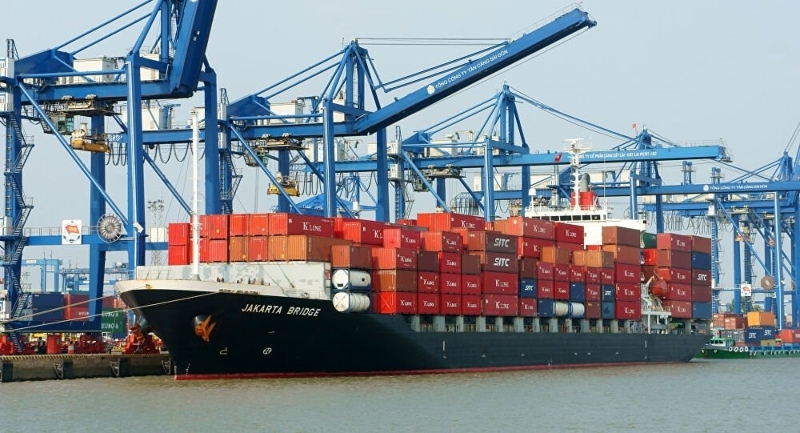
A massive wave of infrastructure investment across South America will soon provide a significant boost for international trade. Specifically, this logistical shift opens up new export avenues for Vietnamese businesses looking to expand their commercial presence. For decades, international trade analysts regarded countries like Argentina, Uruguay, and Paraguay as promising consumer markets. However, relatively high transportation expenses and fragmented supply chains historically constrained real economic potential. Currently, strategic river and maritime upgrades are rapidly transforming the continent into a highly accessible trade destination.
These regional infrastructure developments offer a timely opportunity for enterprises to diversify their global trade footprint. Consequently, optimized shipping routes will allow manufacturing sectors to penetrate South American distribution networks more efficiently.
Upgrading the Waterway to Expand Export Avenues for Vietnamese Businesses
According to an official report from the Vietnam Trade Office in Argentina, major logistical breakthroughs are underway. Specifically, Argentina recently completed the preliminary selection of a corporate consortium to upgrade the strategic Paraná–Paraguay waterway. This massive maritime engineering project will reduce international logistics costs and improve cross-border transport efficiency significantly. Therefore, the infrastructure project successfully secures long-term export avenues for Vietnamese businesses in the agricultural sector.
Strengthening Core Export Channels for Manufacturers
Once authorities modernize the regional river and maritime infrastructure, Vietnam’s key export products will gain stronger market access. For instance, the development will directly benefit exporters of high-volume commodities like coffee, cashew nuts, and pepper. Additionally, processed seafood, textiles, footwear, manufactured furniture, consumer goods, and electronic components will experience much smoother shipping workflows.
Navigating Argentina’s Stabilizing Consumer Market
Argentina, the largest economy among the three nations, is showing clear signs of improving macroeconomic stability. Consecutive declines in domestic inflation are currently supporting consumer confidence and creating a more predictable environment for importers. While demand for non-essential luxury items remains cautious, rising food prices indicate stable demand for consumer staples. This environment presents excellent opportunities to build sustainable export avenues for Vietnamese businesses supplying agricultural goods.
Leveraging Uruguay’s Logistics Hub to Secure Global Trade Distribution Networks
Beyond Argentina, neighboring nations are rapidly enhancing their logistical capabilities to attract global trading partners. These integrated networks allow enterprises to utilize flexible transshipment services and modern warehousing frameworks. To maximize these market entries, exporters can read our comprehensive guide on international market penetration through our internal corporate channels at V-International Business Consultancy Services.
Uruguay as a Regional Transshipment Gateway
Uruguay continues to strengthen its competitive position as a premier regional logistics hub. The country offers foreign businesses greater operational flexibility through highly efficient warehousing and specialized transshipment services. Consequently, utilizing Uruguayan entry ports will facilitate deeper market penetration into Paraguay and the wider Southern Common Market (Mercosur).
Capitalizing on Paraguay’s Predictable Business Climate
Paraguay’s primary economic appeal lies in its exceptional macroeconomic stability rather than rapid consumer growth. Consistently low inflation enables local importers, distributors, and retailers to manage operational costs accurately. Furthermore, domestic demand for imported food and beverages remains highly resilient. This stable purchasing trend creates favorable conditions to expand strategic export avenues for Vietnamese businesses specializing in essential consumer goods.
In conclusion, the ongoing modernization of South American logistics networks marks a lucrative era for cross-border trade diversification. Fortunately, these infrastructure upgrades provide enterprises with a powerful gateway to capture rising consumer demand across the southern hemisphere. For detailed regulatory updates and official market entry protocols, exporters can consult the latest trade trade reports on the official Vietnam Trade Office portal.