Hanoi Japan Urban Railway Cooperation: A 100-Year Vision
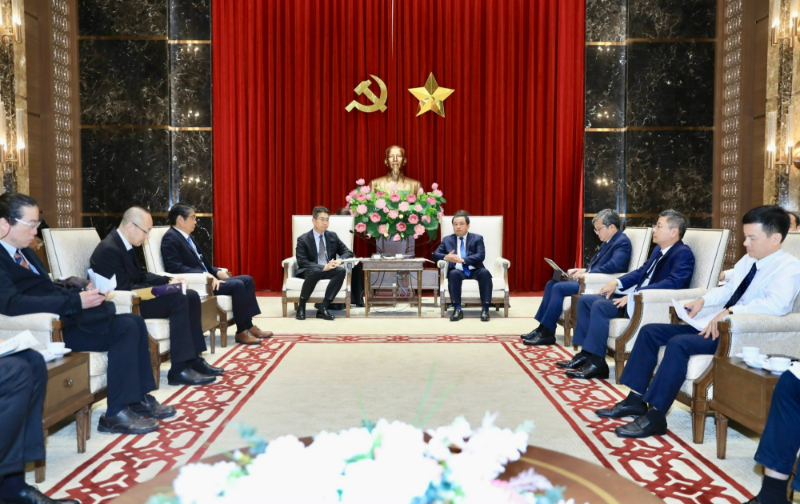
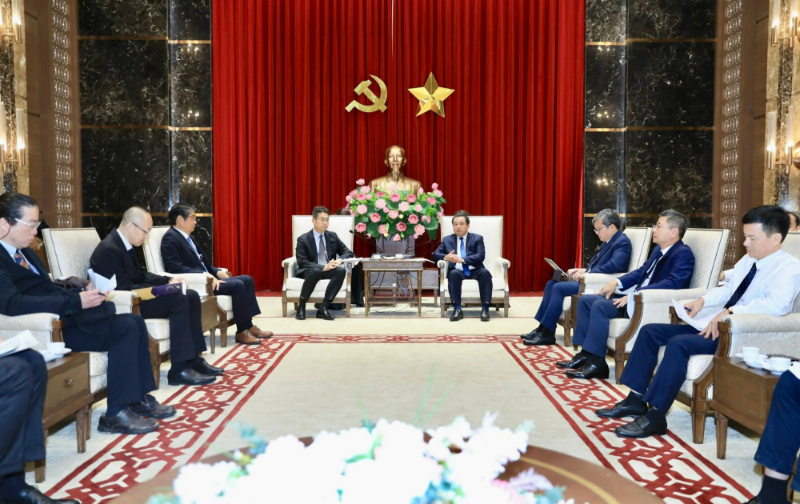
Hanoi and Japan officially strengthened their strategic ties during a high-level meeting on April 28, 2026, focused on urban railway and green growth initiatives. Secretary of the Hanoi Party Committee Tran Duc Thang hosted Mr. Uno Yoshimasa, Special Advisor to the Japanese Prime Minister, to discuss the implementation of a 100-year development vision for the capital. Specifically, the Hanoi Japan urban railway cooperation remains a central pillar of this bilateral partnership, aiming to modernize the city’s transportation network while fostering sustainable economic growth.
Accelerating Metro Line No. 2 and Infrastructure
During the discussions, both leaders prioritized the progress of the Metro Line No. 2 project, which serves as an iconic symbol of bilateral ties. Mr. Thang affirmed that Hanoi has received invaluable support from Japan across infrastructure, healthcare, and education sectors. In return, Mr. Uno Yoshimasa praised Vietnam’s reform efforts in simplifying administrative procedures, which has significantly improved the local investment climate.
Notably, the Japanese Government and its business community expressed a strong desire to participate in Hanoi’s long-term orientation. The city’s master plan currently aims to develop 18 urban railway lines totaling approximately 1,200 km. To achieve this, Hanoi emphasizes:
-
Comprehensive Technology Transfer: Moving from manufacturing to maintenance.
-
Operational Self-reliance: Strengthening the capabilities of Vietnamese enterprises.
-
Efficiency: Accelerating progress to bring Metro Line No. 2 into operation soon.
Expanding the Hanoi Japan Urban Railway Cooperation
Because the capital is entering a new stage of development, further strengthening ties with reputable partners like Japan is essential. Mr. Uno Yoshimasa noted that Japan has successfully implemented large-scale infrastructure projects worldwide and stands ready to transfer this technology to Vietnam. Consequently, the Hanoi Japan urban railway cooperation will likely expand into future railway lines once Metro Line No. 2 is completed.
Furthermore, the meeting highlighted the importance of Japanese coordination with the Hanoi People’s Committee. This partnership aims to address existing obstacles and ensure the project clearly reflects Japan’s presence in Vietnam’s long-term infrastructure landscape.
Smart Cities and Low-Emission Initiatives
Beyond railways, the two sides exchanged views on the North Hanoi smart city project and the development of low-emission zones. Mr. Thang affirmed that Hanoi will create the most favorable conditions for Japanese enterprises to invest in these green initiatives. These plans align with the global shift toward digital transformation and climate resilience.
Finally, the Hanoi Japan urban railway cooperation represents a substantive and effective alliance that contributes positively to the region. As Vietnam targets a greener future, these collaborative projects in smart technology and clean energy will provide the foundation for sustainable urban living. For more information on national development goals, you can visit the Hanoi Planning Page or consult the Ministry of Foreign Affairs of Japan.