
Japanese Investment in Vietnam Remains High
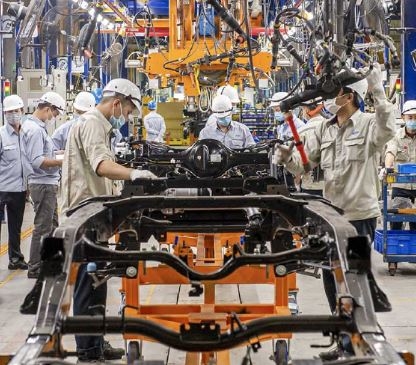
According to the latest 2025 JETRO survey, Vietnam continues to lead ASEAN in investment expansion readiness. Specifically, 56.9% of Japanese companies plan to grow their local operations. This confirms that Japanese investment in Vietnam remains a top priority for regional stakeholders for the second consecutive year.
Positive Trends in the Domestic Market
Mr. Haruhiko Ozasa, Chief Representative of JETRO in Hanoi, highlighted two major trends. First, many firms now focus on the domestic Vietnamese market. This shift is particularly visible in the retail, food, and restaurant sectors. Second, a new wave of Japanese business expansion (synonym) involves providing services to other Japanese firms already operating in the country.
Furthermore, profit prospects look bright for the coming years. Approximately 67.5% of Japanese businesses expect to be profitable in 2025. This figure marks the highest level since 2009. Consequently, these positive returns strengthen the long-term outlook for Japanese investment in Vietnam.
Competitive Advantages and Export Resilience
The Japanese business community highly values Vietnam’s investment environment for several reasons. The most prominent factors include:
-
Market Growth: 68.4% of firms cite market size and growth potential.
-
Labor Costs: 55.2% value the competitive labor market.
-
Stability: 53.2% appreciate the stable socio-political situation.
Regarding international trade, 35% of these businesses export to the US. While global tariffs pose a minor risk, many firms are already adjusting. For instance, they are increasing localization rates and diversifying their markets to mitigate negative impacts.
Addressing Investment Challenges
Despite the optimism, the JETRO survey identifies significant hurdles. Specifically, 58.7% of businesses believe the legal system lacks transparency. Complex administrative procedures, especially regarding licensing and work permits, remain a primary concern.
Furthermore, market competition is intensifying. Domestic Vietnamese firms now stand as the top competitors for Japanese companies. To maintain the appeal of Japanese investment in Vietnam, the government must improve predictability. “Building an investment climate that ensures predictability is extremely important,” Mr. Ozasa emphasized.
Ultimately, Vietnam benefits from a stable political environment. If the government continues to streamline administrative procedures and trade policies, it will secure its position as a sustainable manufacturing and service hub.