
Vietnam Trade Ban Decree 2026: Prohibited Import Export
The Vietnamese Government issued Decree No. 292/2026/ND-CP on July 22, 2026, detailing foreign trade regulations. This landmark policy provides comprehensive guidance on implementing the Law on Foreign Trade Management. Specifically, the regulation establishes an updated list of prohibited export and import goods across various industries. Businesses conducting international trade must understand these compliance rules to avoid legal issues. Consequently, adhering to the Vietnam trade ban decree 2026 is essential for maintaining supply chain continuity.
Key Highlights of Decree No. 292/2026/ND-CP
The decree establishes strict oversight mechanisms for goods moving through customs borders. Under Article 5, prohibited commodities are listed under Appendix I of the regulation. Ministers and heads of ministerial agencies must publish detailed commodity codes (HS codes) for these banned items.
[Import & Export Exception Permit Workflow]
Step 1: Submit Application Package (Form 01, usage plan, handling scheme)
Step 2: Agency Review (3 working days to request document revisions)
Step 3: Permit Issuance (5 working days upon receiving valid dossier)
Step 4: Annual Compliance Report (Due by Dec 31 annually)
Furthermore, exceptions exist for specific operational or scientific circumstances. Enterprises seeking temporary import or export permits for restricted goods must submit Form 01, a clear usage plan, and previous usage reports. Licensing authorities review valid applications within 5 working days. Businesses operating under these special permits must submit annual reports by December 31. Additionally, permitted items may be stored in Vietnam for up to 2 years.
Regulatory Compliance Note: For complex licensing or customs guidance under the new rules, explore our Inverstor knowledge hub to keep your supply chain compliant.
Prohibited Goods Under Vietnam Trade Ban Decree 2026
Appendix I of Decree No. 292/2026/ND-CP categorizes items that cannot enter or leave the country under normal commercial terms.
| Category | Prohibited Exports | Prohibited Imports |
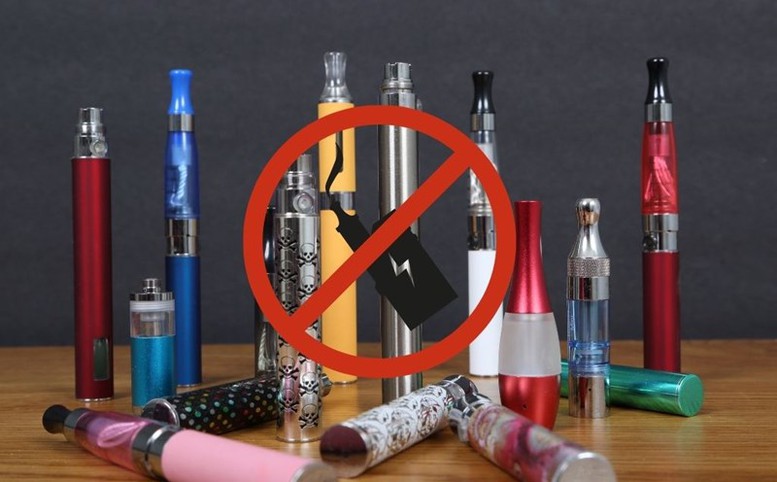
| Consumer & Health | E-cigarettes, heated tobacco | E-cigarettes, heated tobacco, used consumer goods |
| Defense & Security | Weapons, military equipment | Weapons, fireworks, signal flares, radar jammers |
| Natural Resources | Domestic natural forest timber | Amphibole asbestos materials, toxic chemicals |
| Electronics & Tech | Restricted post stamps | Used digital tech products, non-compliant radio gear |
Notably, the outright ban on e-cigarettes and heated tobacco applies to both import and export activities. According to updates published on the Vietnam Government Portal Decree 292/2026/ND-CP announcement, this enforcement aims to protect public health and market order.
Strict Ban on Goods Produced by Forced Labor
A major highlight of the decree is the explicit ban on products made using forced labor. Vietnam prohibits importing goods produced entirely or partially through forced labor by foreign entities.
Consequently, this policy aligns Vietnam’s trade framework with international labor conventions. Importers must conduct thorough supply chain audits to verify production conditions abroad. Therefore, understanding the broader impact of the Vietnam trade ban decree 2026 helps enterprises avoid costly customs rejections and reputational damage.
Ministry Authority and Sectoral Enforcement
Various government ministries hold specific jurisdiction over prohibited items. For example, the Ministry of Industry and Trade regulates hazardous chemicals, raw diamonds under the Kimberley Process, and tobacco products.
Similarly, the Ministry of Agriculture and Environment oversees endangered CITES species, natural timber, and banned pesticides. Meanwhile, the Ministry of Health oversees banned pharmaceuticals and used medical equipment. By dividing administrative oversight, the government ensures rigorous enforcement across all entry points.
Conclusion: Strategic Compliance for International Business
The implementation of Decree No. 292/2026/ND-CP on July 22, 2026, establishes clear boundaries for international commerce in Vietnam. Businesses must align their sourcing and trade operations with these updated restrictions.
Ultimately, staying informed on the Vietnam trade ban decree 2026 enables companies to navigate customs processes efficiently. V-International remains committed to providing accurate policy insights to support your global trade strategies.
Source: gorvernment news