Semiconductors and Rare Earths: Vietnam Identifies Critical Key Industries for National Growth
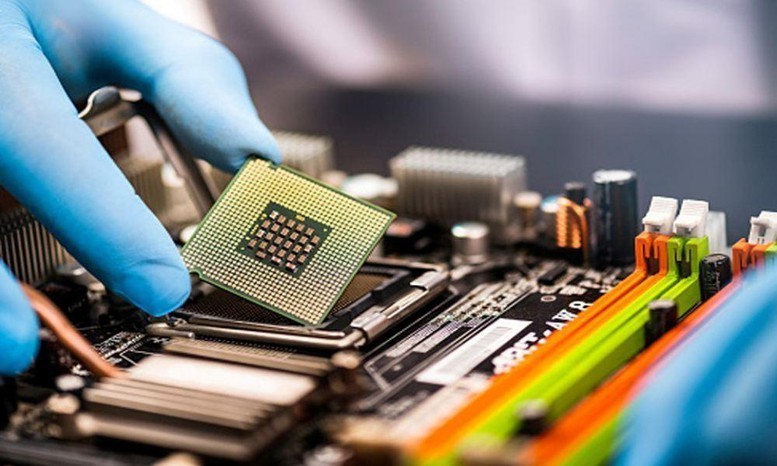
The Ministry of Industry and Trade actively reshapes national industrial sovereignty through strategic legislative updates. Specifically, the regulatory body proposed adding semiconductors and rare earths to the national list of key industries. This high-priority proposal forms a central component of the draft Law on Key Industries. Consequently, elevating these high-tech sectors strengthens Vietnam’s competitive positioning across domestic and global value chains.
Multinational high-tech manufacturers and energy firms can leverage these strategic policy shifts to expand their regional operations. To navigate these emerging industrial legislation trends smoothly, global investors can review our advisory frameworks at V-International Business Consultancy Services.
Defining the Scope and Goals of National Key Industries
The draft law categorizes essential manufacturing and energy fields to ensure long-term economic self-reliance. Under these supportive guidelines, the state will channel substantial resources into domestic technical innovation.
Categorizing Priority Manufacturing and Energy Sectors
The Ministry of Industry and Trade officially classifies eleven pivotal sectors as national key industries:
-
Strategic minerals, rare earths, metallurgy, and advanced materials science.
-
Semiconductors, high-tech electronics, and specialized supporting industries.
-
Offshore wind power, energy equipment, and low-emission recycling technology.
-
Mechanical engineering, shipbuilding, railways, and automotive manufacturing.
-
Basic and high-tech chemicals alongside environmental protection technologies.
Enhancing Industrial Sovereignty and Economic Self-Reliance
Prioritizing these core manufacturing fields actively boosts Vietnam’s overall industrial self-reliance and technological sovereignty. Furthermore, these critical sectors safeguard national defense, energy security, and long-term sustainable development. By mastering core manufacturing processes, domestic enterprises satisfy strict international localization and rules of origin requirements. This technical capability helps local exporters mitigate risks in foreign trade while expanding key global markets.
Investing in Critical Infrastructure and Strategic Minerals
The government plans heavy capital investments across national transport, clean energy, and digital infrastructure networks. Therefore, domestic production must supply essential equipment to secure these vital state assets.
Developing Mega Transport and Clean Energy Infrastructure
Vietnam will construct massive high-speed rail lines, urban transit systems, and offshore wind farms in the coming years. Furthermore, state energy plans include small modular nuclear reactors, gas-to-power plants, and green hydrogen facilities. Developing local supply chains to produce equipment for these mega projects remains a mandatory requirement. This localized manufacturing capability protects critical national infrastructure from external supply chain disruptions.
Navigating Global Competition for Strategic Rare Earths
The global energy transition and digital transformation intensify international competition for strategic minerals and rare earths. Elevating these raw mineral sectors to key industry status enables Vietnam to navigate complex geopolitical landscapes effectively. The country aims to process raw mineral reserves locally rather than exporting unprocessed materials. This value-adding strategy attracts high-tech semiconductor fabricators and battery manufacturers to establish local industrial plants.
In conclusion, this calculated legislative update introduces an exceptionally stable era for high-tech manufacturing and clean energy development. Fortunately, these state-backed policy frameworks offer global commercial enterprises a remarkably secure, future-proof investment environment. For official national announcements regarding industrial legislation and economic updates, readers can consult the Vietnam Government Portal.