
Green Energy Horizons: Vietnam Showcases Enormous Wind Power Development Potential at APAC Summit
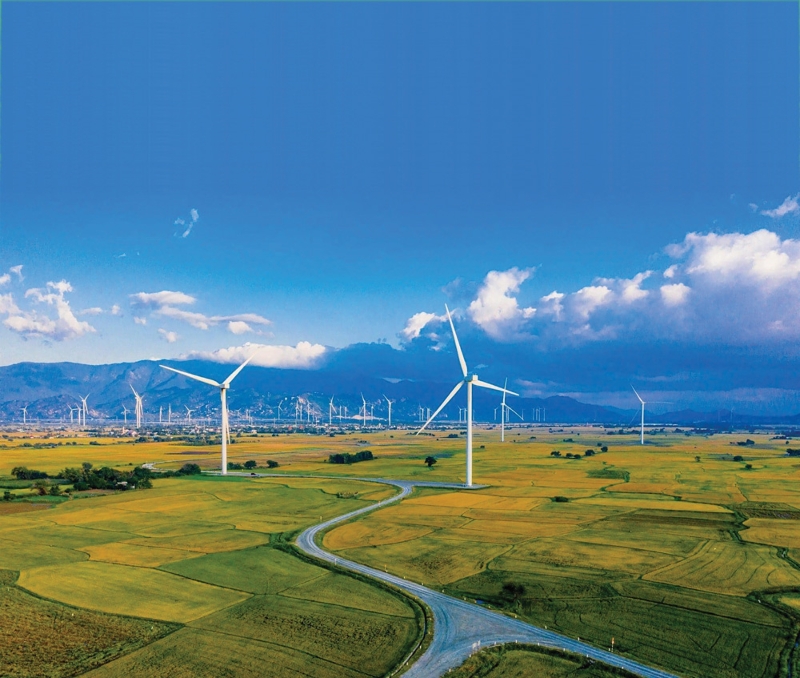
Vietnam actively aims to operate 26-38 GW of onshore wind power under its ambitious National Power Development Plan VIII (PDP8). Simultaneously, the country targets about 6 GW of offshore wind capacity by the year 2030. This progressive strategy serves as a crucial step to realize its commitment to net-zero emissions by 2050. Furthermore, this master plan opens up significant opportunities to attract international investment and enhance national energy self-sufficiency.
The Global Wind Energy Council (GWEC) recently organized the high-profile APAC Wind Energy Summit 2026 in Hanoi. Consequently, international energy experts gathered to analyze the nation’s clear competitive advantages and outline the next development cycle.
Analyzing Vietnam’s Enormous Offshore and Onshore Wind Potential
According to official data from the GWEC, Vietnam possesses a massive offshore wind power potential of around 600 GW. Specifically, a relatively shallow continental shelf allows most projects to utilize competitive fixed-foundation technology. This geographic feature lowers investment costs substantially compared to regional markets like South Korea, Japan, and Taiwan.
Natural Competitive Advantages
Mr. Alessandro Antonioli, Country Representative at Copenhagen Infrastructure Partners (CIP), highly praised Vietnam’s favorable natural resources. Indeed, he emphasized that high wind speeds and a long coastline create a premier environment for energy developers. In addition, a rapidly growing economy drives a substantial increase in domestic electricity demand. Notably, the ongoing shift of manufacturing supply chains from Western markets to Vietnam requires a stable supply of green energy.
Strategic Regional Hubs
International turbine suppliers also view the Southeast Asian nation as a highly promising market. For instance, the Suzlon Group from India officially chose Vietnam as its very first regional hub in Southeast Asia. Mr. Ngo Tien Dat, Country Manager of Suzlon, affirmed that the nation’s fast-growing economy and young workforce heavily influenced their expansion decision.
Overcoming Policy Bottlenecks to Fuel the New Development Cycle
Following a period of rapid growth driven by the initial Feed-in Tariff (FiT) mechanism, the market began to slow down after 2021. However, since the end of 2024, the market has begun to see more positive signs. The government continually issues new mechanisms to address existing industrial difficulties.
Building Regulatory Clarity
Mr. Bui Vinh Thang, Vietnam Country Manager at the GWEC, highly appreciates the recent efforts of the Vietnamese government. Fortunately, regulatory authorities are already granting initial permits for offshore project surveys. Therefore, investors closely following the market can clearly see the early progress of a new development cycle.
To fully unlock international capital, investors still require total clarity regarding licensing timelines and power purchase agreement (PPA) templates. As a result, taking decisive action with centralized coordination mechanisms will accelerate project implementation significantly.
In conclusion, removing these policy bottlenecks will allow Vietnam to enter a phase of larger-scale wind power development. This success will ensure long-term national energy security and promote a sustainable green transition for years to come.