Vietnam-UNIDO Industrial Development Program: A $72M Green Leap
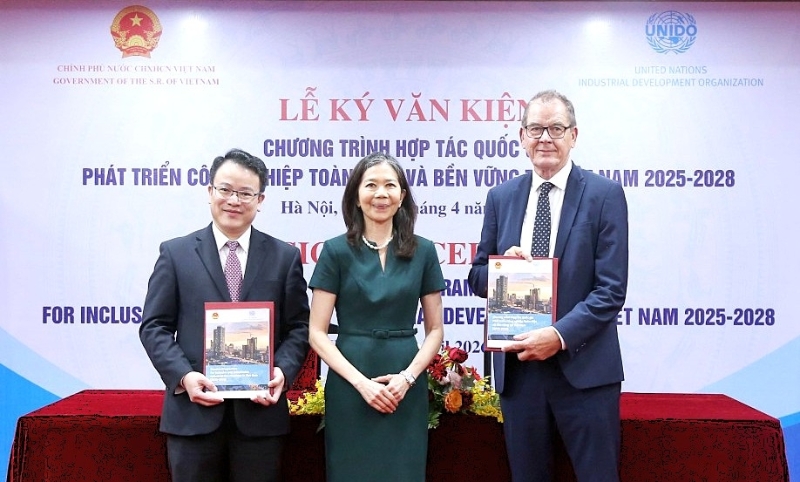
Vietnam and the United Nations Industrial Development Organization (UNIDO) officially signed the Country Program for Inclusive and Sustainable Industrial Development for 2025–2028 on April 20, 2026. This landmark agreement, signed in Hanoi, marks a significant expansion of a partnership that has spanned nearly five decades. Specifically, the program aims to catalyze a green industrial revolution across the nation’s manufacturing landscape.
Strategic Pillars of the $72 Million Initiative
The Ministry of Finance and UNIDO have allocated an estimated budget of $72 million to fuel this comprehensive initiative. The program centers on three critical pillars designed to modernize Vietnam’s industrial sector:
-
Green Industrial Transformation: Transitioning toward low-carbon and environmentally friendly manufacturing processes.
-
Strengthened Competitiveness: Enhancing the resilience and efficiency of sustainable value chains.
-
Institutional Improvement: Refining industrial policies and strengthening the organizations that govern them.
Notably, this collaboration combines high-level policy advice with hands-on technical support and investment mobilization. This multi-faceted approach ensures that sustainable standards are met while simultaneously driving economic growth.
Building on a Legacy of Success
Since 1978, UNIDO and Vietnam have successfully implemented over 170 projects. These initiatives have historically focused on small and medium-sized enterprise (SME) development, energy efficiency, and clean production. Furthermore, previous cooperation has significantly improved Vietnam’s quality infrastructure and sustainable supply chains.
The 2025–2028 framework seeks to expand these interventions into the agricultural processing sector. Specifically, the program targets high-potential value chains such as:
-
Rice Production: Focusing on value addition and climate change resilience.
-
Tea Processing: Enhancing sustainable standards and improving rural livelihoods.
Conclusion: A Vision for Sustainable Growth
Finally, the Vietnam-UNIDO industrial development program serves as a vital blueprint for the country’s transition toward a high-value, circular economy. By fostering innovation and enhancing competitiveness, this partnership ensures that Vietnam remains a key player in the global sustainable manufacturing market.
As these projects roll out over the next three years, they will provide the technical and financial foundation necessary to improve livelihoods and protect the environment simultaneously. This strategic alignment between national policy and international expertise guarantees a more resilient future for Vietnam’s industrial sector.